All Categories
Featured

Effective Enterprise Solutions for Success
From benchmarking item functions and rates to decoding marketing methods and client belief, we'll show you how competitive research study surpasses guessworkdriving growth, importance, and market fit. If you're serious about market intelligence, it begins here. Before you can surpass the competitors, you need to understand exactly who you're up versus.
[target1:anchor_exact1]This procedure involves more than simply noting similar companiesit needs understanding the competitive dynamics of your classification, including both direct and indirect hazards. deal similar service or products and target the same customer base. Believe of Nike and Adidas, both competing for the exact same audience of professional athletes and lifestyle customers with nearly similar product lines.
Indirect competitors typically go undetected, yet they can steal share through benefit, prices, or disturbance. To perform efficient competitive research, start by mapping the landscape.
Who else is fixing the same problem? Utilize a mix of methodscustomer interviews, online reviews, and digital tools like SEMrush, Similarweb, and Google Trendsto reveal both apparent and less visible players. Category matters. Tag each rival based upon proximity to your offering and impact in the market. This will help you focus on analysis efforts and designate tactical focus.
Start analyzing rivals in depth: their rates designs, product features, brand voice, marketing channels, and audience engagement methods. As Harvard Company Evaluation once kept in mind, "It's not sufficient to understand who your rivals are.
[target1:anchor_exact1]Key Tips On Improving Marketing Performance
As soon as you have actually identified the key gamers in your market, the next action in competitive analysis is to examine how those rivals operate. Comprehending their market techniques, product offerings, and total positioning allows you to evaluate your own brand name in context. This is the core of competitive market researchand it surpasses just enjoying what others are doing.
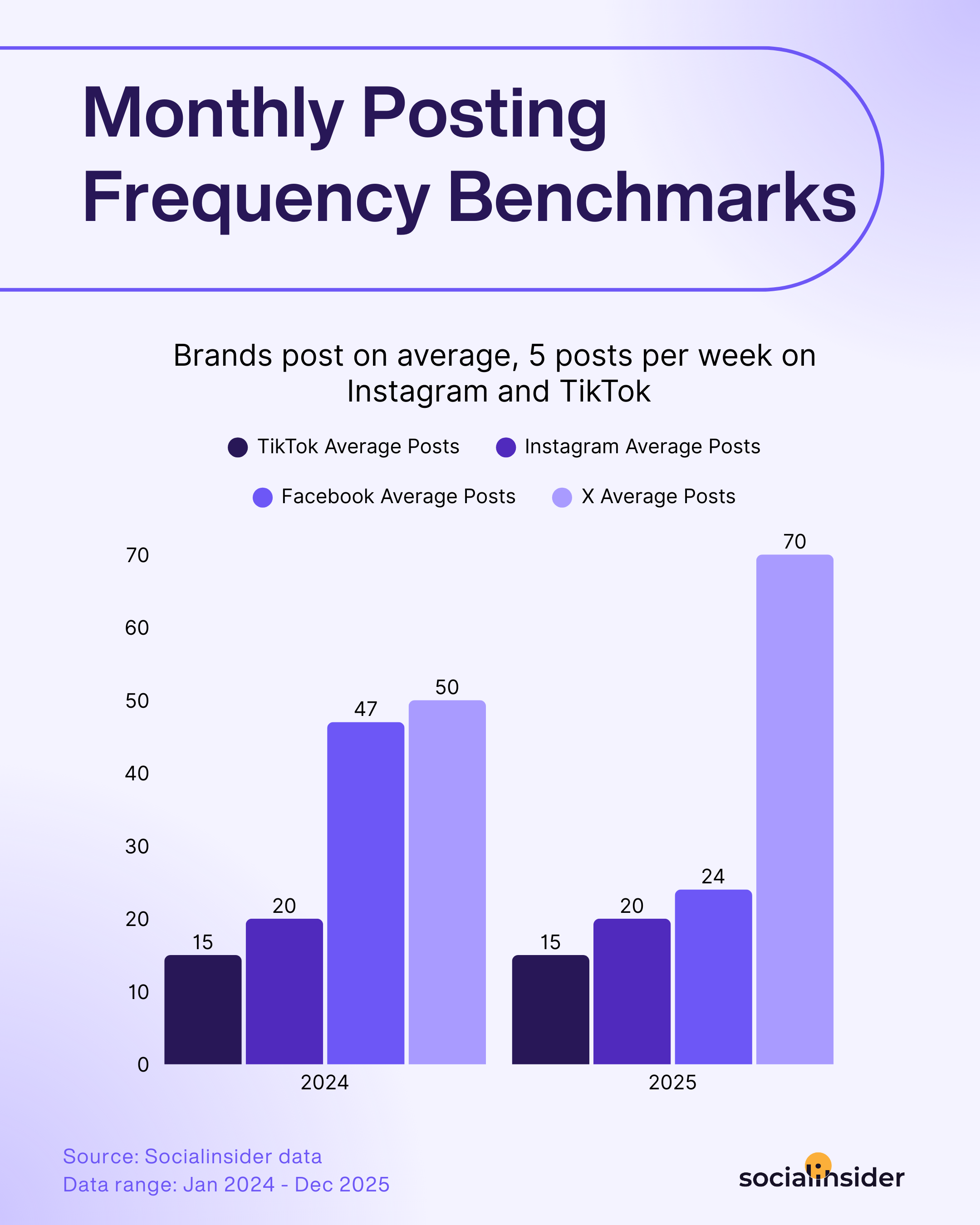
Visit their websites and examine the layout, messaging, and user experience. Are their item or service pages clear and engaging? What pricing designs do they utilize? How are they communicating value? Now extend this evaluation to social networks channels. Remember of how frequently they publish, what sort of material they share, and whether clients are engaging.
To take your competitor market analysis further, immerse yourself in the experience they provide. This kind of competitive shopping analysis is especially reliable in consumer goods, retail, and subscription-based designs.
Strengths might include brand commitment or ingenious features, while weaknesses might be inconsistent service or minimal item range. This workout helps you identify where the market is underserved and where your company can stick out. If you run a performance software application startup and your primary rival provides a more robust feature set however requires a high membership charge, you might place your product as a more available, streamlined option.
It's likewise important to recognize what phase of maturity each rival is in. Are they well-established brands with stable market share or agile beginners interrupting the space with aggressive rates or unique offerings? The kind of hazard each presents needs a various reaction. Ultimately, examining the competition isn't about copying what others are doing.
Utilizing Proven Marketing Models
Companies that master rival analysis aren't just reactingthey're placing themselves to lead. Once you have actually gathered insights from your competitor research, the next step is to examine where your brand name stands in contrast. This internal reflection is crucial to comprehending not simply how you stack up versus the competition, however what unique worth you provide in the more comprehensive competitive landscape.
Identify your strengths: Do you have a loyal customer base? A patented procedure? A much faster delivery time? Look at your weak points: Are your price points too high? Is your item variety restricted? Exist gaps in customer care or digital experience? Mapping out your opportunities and risks finishes the image and allows you to develop a more realistic and grounded market method.
Turn to your clients. What are they saying in evaluations, studies, and support tickets? What styles emerge on social networks or in app store feedback? Positive comments can declare your brand name strengths, but more notably, criticism can reveal blind spots. Client perception is a vital component of competitive market analysisespecially when you're attempting to out-position other brand names in a congested field.

Latest Posts
How Data-Driven Analytics Redefines Marketing in 2026

Measuring Business ROI Reports

Advanced Competitive Research Methods for Local Firms